Analyzing the Color Variants of iPhone 13
Intro
When it comes to consumer electronics, especially smartphones, choices often revolve not only around technical specifications but also around aesthetics. The iPhone 13 illustrates this principle perfectly with its variety of color options, which significantly influence consumer decision-making. Each color variant tells a different story—one that resonates with the personal style and preferences of its users. This article unpacks the color palette offered by Apple for the iPhone 13, exploring how these vibrant hues not only enhance visual appeal but also affect brand perception and user experience.
Explore the depths of design implications and psychological triggers linked to this spectrum of colors. From the chic elegance of the Starlight to the bold statement of Product(RED), each option serves a dual purpose of functionality and personal expression. In understanding these dynamics, we can gain insights into how color shapes the technology landscape and impacts user interactions with their devices.
The discussion will unfold through a detailed examination of the product's overview, its performance, user experiences, design quality, software capabilities, and finally, its price positioning in the crowded smartphone market. Let’s dive in!
Prologue to the iPhone
The iPhone 13 series, released in September 2021, marks a pivotal chapter in Apple's ongoing journey through smartphone innovation. As a follow-up to the iPhone 12, it carries not just upgraded hardware and features but also a range of aesthetic options that cater to consumer tastes. Here, we explore its significance in terms of design choices and their implications for both users and the technology landscape.
Overview of the iPhone Series
The iPhone 13 lineup includes four models: the iPhone 13, iPhone 13 mini, iPhone 13 Pro, and iPhone 13 Pro Max. Each model boasts a distinctive combination of specifications aimed at appealing to various segments of the market. The standard and mini versions are designed for users who seek a balance between performance and portability, while the Pro models target those who require advanced features like superior camera systems, ProMotion display, and enhanced battery life.
The differences, however, aren't only in the technical specifications but also include the exterior finish. The color variants available—such as Starlight, Midnight, Blue, Pink, Red, and Green—serve as personal statements for users. These choices reflect personal style and preferences, indicating a broader trend towards customization in tech devices.
In essence, the iPhone 13 series encapsulates Apple's vision of blending technological prowess with aesthetic appeal. By offering a variety of color choices, Apple not only addresses functional needs but also taps into emotional and cultural connections users forge with their devices.
Significance of Color Variants in Technology
Color variants in technology are more than just visual appeal; they serve strategic purposes in terms of branding and market engagement. For Apple, offering a spectrum of colors allows an emotional connection between the device and the user. A bright color like Pink or a classic one like Midnight might attract different demographics, each with distinct preferences.
Psychologically, colors evoke certain feelings and attitudes. For example, Blue often represents trust and stability, while Red captures attention and excitement. This taps into a user’s psychology and plays a crucial role in purchase decisions. Having color options can elevate a product's appeal and influence consumer choices significantly.
"In a crowded market, standing out is key. The colors of the iPhone 13 series not only serve to reflect user identity but also reinforce Apple's brand ethos of being both modern and accessible."
The Color Palette of iPhone
In a world where first impressions matter, the visual appeal of a product often governs consumer choices. The iPhone 13 boasts a dynamic color palette that not only garnishes the device with aesthetic appeal but also reflects broader trends in personalization and branding. Color plays a critical role in how technology is perceived and how it aligns with individual identities. In this section, we’ll explore the available colors and the reasons they hold significance in the context of consumer behavior and buying trends.
Analysis of Available Colors
The iPhone 13 presents a broad spectrum of colors, each uniquely crafted to appeal to diverse consumer tastes. The palette includes the shimmering Starlight, the deep Midnight, refreshing Blue, vibrant Pink, bold Red, earthy Green, and the socially conscious Product(RED).
Here’s a quick breakdown:
- Starlight: A subtle blend of silver with soft warmth, catering to traditionalists who appreciate understated elegance.
- Midnight: A classic deep black that symbolizes sophistication and professionalism.
- Blue: A bright and inviting option, evoking a sense of calm and trust, suitable for those who prefer a pop of color.
- Pink: A playful choice, vibrant and youthful, perfect for people looking to express personality.
- Red: A bold statement of activism and passion, this color resonates with consumers who value social impact.
- Green: Instantly refreshing, it taps into the growing appreciation for sustainability.
- Product(RED): Part of a global initiative, choosing this variant implies support for health causes, making it more than just a color choice.
Each color speaks not only to aesthetics but also to the lifestyle choices and values of the user. When consumers choose a color, they often see it as an extension of their identity, making the color selection process a deeply personal affair.
Technical Aspects of Color Choices
The selection of colors in the iPhone 13 isn’t just a whimsical choice; it’s backed by technical decisions that affect production, marketing, and user experience. Each color undergoes a meticulous development process to ensure vibrancy, durability, and suitability for the materials used.
- Material Consideration: The materials mandated for different color finishes—such as glass or aluminum—affect how the color is perceived in various lighting conditions. For example, the reflective quality of the glass in the Starlight variant can shift its apparent hue based on the surroundings.
- Customization Options: Consumers today desire personalized experiences. Colors like Pink and Green offer less common choices for a smartphone, answering the craving for something unique.
- Durability Under Stress: Colors must also withstand daily wear and tear. Apple’s choices consider abrasion resistance and how the paint holds up against scratches and fading over time.
- Brand Consistency: Finally, maintaining Apple’s brand identity while integrating contemporary hues is crucial. The selected palette must align with Apple's overall branding strategy while staying contemporary.
This thoughtful approach to color not only influences initial purchase decisions but also affects customer satisfaction and loyalty.
The colors of the iPhone 13 represent a convergence of technical efficacy and consumer values, making each choice far from trivial. By understanding the color palette and its implications, consumers are better equipped to make informed decisions that resonate with their personal or social narratives.
Detailed Examination of Each Color Variant
Diving deep into the color variants of the iPhone 13 opens a rich conversation about aesthetics, consumer choices, and Apple’s branding strategy. Each color doesn’t just serve as a mere button on a device; it represents an emotional connection that potential buyers forge with the product. With multiple options available, it is crucial for consumers to consider how each color reflects personal identity, enhances user experience, and fits into their lifestyle.
Starlight
Starlight, a blend of silver and gold, is designed with a modern minimalist philosophy. This color resonates with elegance and sophistication. Those who opt for Starlight often value timelessness, as it feels neither overly flashy nor too understated. The soft sheen catches the light, creating a subtle shimmer that invites curiosity without screaming for attention.
This shade appeals appealingly to professionals, who might prefer a device that looks polished in any setting, whether it's at a business meeting or a casual outing. Starlight suggests versatility, making it a solid choice for those who appreciate a neutral palette.
Midnight
Midnight, characterized by its deep, rich tone, evokes a sense of mystery. As the name suggests, it captures the essence of evening skies, offering a bold yet understated aesthetic. Users who choose Midnight may gravitate towards its essence of strength and versatility.


This color often gives the impression of resilience, a quality many consumers want in their technology. The dark shade pairs well with various cases and accessories while ensuring that the device remains sleek and professional. Midnight is also favored by individuals who identify with a more modern, sophisticated style, making it a staple choice for many Apple users.
Blue
The Blue variant of the iPhone 13 presents a lively and refreshing option. It stands out from the traditional color palette and appeals to a younger demographic often seeking a device that reflects their dynamic personality. The intense blue is reminiscent of clear skies and vibrant oceans, suggesting creativity and adventure.
When a consumer gravitate towards the Blue iPhone, it often indicates a sense of optimism and openness. The color encourages a playful approach to technology, attracting individuals who take pride in their unique choices. Whether it's a social event or a casual day out, the Blue variant is sure to catch eyes and provoke discussions.
Pink
The Pink option, both playful and chic, embodies fun and warmth. This variant is a beacon for those who wish to express a softer, more approachable side. Pink iPhones are often favored by users who see their device not just as a tool, but as an extension of their personality.
Interestingly, this color appeals to a broad audience. While traditionally viewed as feminine, the charm of Pink captures the essence of self-expression for anyone who resonates with it. The lighter hue inspires feelings of affection and connection, making it a delightful choice for users who value interaction and relationships.
Red
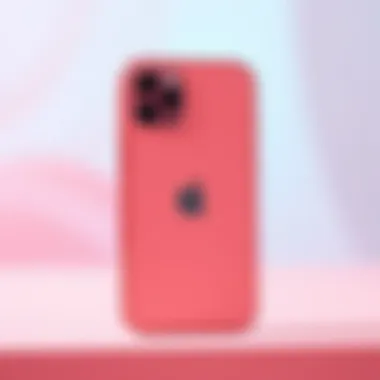
The Red variant is bold and attention-grabbing, embodying a spirit of activism and strength. When individuals choose Red, they're making a statement, often associated with passion and urgency. This color possesses a certain heat, suggesting vigor—perfect for those who wish to convey energy.
More than just a standout color, the Red iPhone also supports a greater cause through Apple’s Product(RED) initiative. A portion of the profits goes toward fighting against AIDS, showcasing a commitment to social responsibility that appeals deeply to today’s conscientious consumers. It’s a color that invites discussions about technology and philanthropy, striking a balance between personal use and social impact.
Green
Green, a recent addition to the iPhone lineup, signifies renewal and tranquility. This color variant speaks to eco-conscious users and those who appreciate the outdoors. The calming tone suggests a connection to nature, representing freshness and harmony.
Choosing Green communicates an appreciation for the environment, a trend increasingly evident among tech users. This choice encapsulates the merging of technology and sustainability, highlighting how aesthetics and values can align harmoniously in consumer decisions.
Product(RED)
The Product(RED) iPhone is more than just a color; it embodies activism and social awareness. It’s a powerful statement, signaling a commitment to social change and health initiatives. Users who choose this variant often align with its mission or appreciate the deeper meaning behind their purchase.
This color serves as both a fashion statement and a discussion starter. When someone pulls out a Product(RED) phone, it doesn’t just draw attention for its appearance; it represents a choice for global health. The rich hue signifies strength and solidarity against a common adversary—diseases affecting millions worldwide.
"The choice of color in technology is more than aesthetic; it's a reflection of identity and values."
Consumer Preferences and Trends
The relationship between consumer choices and color trends is complex yet vital, especially in the context of a product like the iPhone 13. Color is not merely a design element; it's intertwined with identity, emotion, and market strategy. By examining consumer preferences and trends, we can understand how the color variants of the iPhone 13 influence buying behavior, brand loyalty, and overall user satisfaction. In a world flooded with options, the right color can be the linchpin that pushes a customer toward making a purchase. The allure of color extends beyond aesthetics; it serves as a reflection of personal values and social trends. This section highlights how significant this interplay is in the realm of technology and consumer goods.
Market Research on Color Preferences
Market research provides essential insight into how consumers select their devices based on color. Surveys and studies reveal that colors can create emotional connections. For instance, people often associate blue with trust and reliability, while red tends to evoke feelings of excitement. Research from platforms like Statista indicates that color preferences can significantly affect purchasing decisions; a vibrant hue like blue may sway a buyer more than a more subdued shade.
In the specific case of the iPhone 13, Apple conducted extensive market research, revealing a preference for bold and vibrant colors. Some studies show that consumers in vibrant markets prefer colors that resonate with their lifestyle or set them apart from others.
People don’t just buy a product; they buy the lifestyle that comes with it. - Marketing Expert
Psychological Impact of Color on Decision Making
Psychology plays a significant role in how consumers perceive color and how that affects their decision-making process. Depending on cultural backgrounds and personal experiences, colors can trigger various emotions and reactions. For example, in Western cultures, white is often associated with purity, while it can symbolize mourning in some Eastern cultures. This cultural variance makes it crucial for companies like Apple to fine-tune their color offerings based on the target audience.
Furthermore, research suggests that certain colors can enhance or inhibit certain behaviors. Consumers might be drawn to a bright red iPhone to stand out in a crowd, feeling empowered by a color that’s vibrant and lively. Conversely, a more muted color may appeal to someone seeking sophistication or simplicity.
To summarize, understanding the market dynamics of color choice and the psychological nuances can provide invaluable insights for brands. As color continues to establish identities, the way consumers connect with these variants will undoubtedly shape future product releases and marketing strategies. In this competitive landscape, recognizing these preferences isn't just beneficial; it's essential for success.
Comparative Analysis with Previous Models
Analyzing the color variants of the iPhone 13 against its predecessors offers ample insight into Apple's evolving aesthetic philosophy and marketing strategies. By contrasting current models with earlier ones, we can reveal how consumer preferences impact design choices. The significance of this comparative analysis lies not just in identifying differences, but also in understanding the broader implications these choices have within the tech ecosystem. This approach allows us to see the shifts in trends that resonate with users on both a personal and societal level.
Color Trends in Earlier iPhone Models
Historically, iPhone color variations have mirrored social trends and technology developments. For instance, the original iPhone sported a simple black and white color palette, a reflection of the style at the time. As features and capacities evolved, so did the palette: colored options like the metallic hues of the iPhone 5c represented a move towards personal expression in technology. The arrival of more vibrant colors fostered a feeling of individuality, especially amidst a sea of gray or black devices.
- Early iPhones showcased:
- Black and white (iPhone 1)
- Glossy finishes (iPhone 3G/3GS)
- Bright colors (iPhone 5c)
As we progressed through the generations, Apple began adopting more muted tones. Models like the iPhone 8 and iPhone X introduced richer metallic hues, exhibiting brighter colors while still appealing to the high-end market. This narrowing of choices seems to echo a global demand for sophistication and elegance, with color serving as an extension of personal identity in sophisticated ways. Factors like cultural significance and psychological insights also come into play, shaping these models’ color decisions.
Evolution of Apple's Color Strategy
Apple's color strategy has seen a notable transformation that aligns with its overall branding efforts, aimed at better catering to diverse consumer bases. The introduction of the iPhone 13 colors is not a mere coincidence; rather, it underscores an elaborate strategy designed to encompass not just user preferences but also market trends.
For instance:
- Stronger emphasis on environmentally-friendliness in color choices is evident, reflecting consumer inclinations towards sustainable practices.
- The marketing of colors associated with specific meanings, such as the red hue linked to philanthropy through Product(RED), speaks volumes about Apple's positioning in social matters.
As Apple continues to navigate the interplay of aesthetics and functionality, the company demonstrates a keen understanding that color is not simply a superficial element; it shapes user experience, inspires emotional engagement, and aids in differentiating products in a crowded marketplace.
Cultural and Global Considerations
In a world where technology and aesthetics intertwine, understanding the cultural and global influences on color selection for devices like the iPhone 13 is paramount. It is not just about the surface appeal of the hues, but the deep-seated meanings and emotional responses they evoke across different societies. The significance of color transcends mere preference; it reflects identity, lifestyle, and even aspirations among various consumer groups. By delving into color symbolism and regional preferences, we gain clearer insights into how these factors shape buying behaviors and influence brand loyalty.
Color Symbolism Across Cultures
Colors carry varied meanings depending on cultural contexts, which is crucial for marketers like Apple when launching products worldwide. For example, in Western societies, white typically symbolizes purity and new beginnings, making it a popular choice for weddings. Conversely, in some Eastern cultures, it is linked to mourning and loss. This dichotomy underscores the importance of choosing colors that resonate positively with the target audience.
Different colors stand for distinct values:
- Red is often associated with passion and excitement, but it also signifies luck and prosperity in countries like China.
- Blue, often viewed as a calming color in Western cultures, can signify sadness in certain contexts, while in others, it represents trust and security.
- Green denotes health and nature in many cultures but may represent envy or inexperience in others.
Understanding these nuances allows companies like Apple to tailor their marketing strategies effectively. A thoughtful selection of colors, attuned to the cultural symbolism in varied regions, can greatly enhance the emotional connection consumers feel towards a product, driving sales and improving brand perception.
Regional Variability in Preferences
Cultural preferences also shift from one region to another, influenced by local trends, societal values, and even economic conditions. Take, for instance, the stark differences in iPhone color preference between markets like North America, Europe, and Asia. While a subdued palette may be favored in one region, vibrant and bold colors might appeal more to consumers elsewhere.
In North America, practical colors like Midnight and Starlight are commonly chosen, reflecting a desire for sophistication and timelessness. In contrast, markets in Asia might see higher sales of bolder colors like Pink or bright Blue, appealing to a younger demographic eager to express their individuality.
Understanding these variations is essential, as overlooking regional preferences can alienate potential customers. Companies should consider demographic factors and local trends when promoting new product lines. In short, local preferences can make or break a product’s success in that area.
"Color is the keyboard, the eyes are the harmonies, the soul is the piano with many strings." – Wassily Kandinsky
By blending analysis of cultural symbolism with an understanding of regional preferences, Apple can create a more compelling narrative around the iPhone 13’s color variants, ultimately leading to a more engaged and satisfied customer base.
The Role of Marketing in Color Perception
Marketing plays a pivotal role in shaping how consumers understand and perceive color variants in devices like the iPhone 13. In a tech landscape overflowing with choices, colors are not merely aesthetic properties; they become powerful symbols that can influence purchasing decisions. Emotional connections forged through color can make a brand feel more relatable or desirable. Thus, it's imperative to delve into how companies like Apple harness these visual elements to elevate their products and engage their target audience.
Apple's strategic marketing focuses on presenting their products in a way that highlights the emotional resonance of color, transforming each shade into a unique narrative that connects with users. The ability to differentiate products through distinct colors simplifies consumer choices and enhances brand loyalty. This need to stand out and resonate is even more significant in today's market, where brand recognition is often intrinsically linked to visual identity.
When discussing color perception in marketing, several key elements come to mind:
- Creating emotional connections: Different colors evoke various feelings and memories, and marketers capitalize on this psychology to forge stronger ties between the consumers and the product.
- Targeting demographics: Understanding the target audience's preferences can lead to decisions on which colors to focus on, making marketing campaigns resonate more effectively with potential buyers.
- Seasonality and trends: Apple frequently adapts its color offerings to reflect the latest trends and seasonal moods, ensuring the product remains relevant and appealing.
In essence, the role of marketing in color perception extends beyond simply illustrating product attributes. It's about crafting an experience that makes the consumer feel a certain way about the product, thereby influencing the thoughts behind their purchasing choices.
Apple's Marketing Strategies for Color Variants
Apple’s approach to marketing its color variants showcases a multifaceted strategy focused on creating associations that heighten desirability. Through careful selection and presentation of colors like Starlight and Midnight, they invite potential buyers to envision these devices as an extension of their personalities.
Here are some of the strategies Apple employs:
- Visual storytelling: Apple often uses imagery and videos to tell a story where color choices reflect lifestyles, emotions, and aspirations. In doing so, they make it easy for customers to imagine how these colors fit into their daily lives.
- Product placement: In advertisements, the colors are showcased in ways that suggest elegance, simplicity, or vibrancy. This provides consumers with an aspirational vision associated with each color.
- Limited editions and exclusivity: Apple has leveraged limited-time colors to create urgency through scarcity, prompting customers to act quickly if they want a particular shade.
By positioning these colorful devices not just as products but as lifestyle choices, Apple’s strategies not only promote sales but also foster a deeper brand attachment among consumers.
Influencer Impact on Color Choices
In today's online culture, influencers have a significant sway over consumer behavior, particularly in shaping perceptions around product colors. By showcasing their favorite devices, influencers bring colors to life in ways that traditional marketing cannot replicate. Their authentic experiences resonate with followers, making them more relatable than conventional ads.
Consider these points about the impact of influencers on color choices:
- Personal recommendations: When influencers discuss the merits of a specific color, it often feels like a personal endorsement, leading their followers to lean towards that variant.
- Aesthetic appeal on social media: Platforms like Instagram are visual-first. Trends that emerge through influencers’ posts can turn a color variant into a must-have item almost overnight.
- Targeted demographics: Influencers often cater to specific audiences, ensuring that the conversation about color variants reaches the right demographic.
The interplay between branding, color perception, and influencer marketing creates a robust eco-system in which consumers become not just buyers but advocates for their chosen colors, further influencing others along the way.
"Color isn’t just a visual element; it’s the pulse of connection in marketing that can drive consumers to choose one product over another."
User Feedback and Color Satisfaction
User feedback plays an integral role in shaping product development, especially in consumer-driven markets such as smartphones. When it comes to the iPhone 13, color satisfaction resonates deeply with users, extending beyond mere aesthetics. The hues that Apple offers not only reflect individual style but also influence emotional connections with the device. Therefore, understanding user perceptions of these color variants can provide a window into Apple’s branding strategies and the emotional landscape of its consumer base.
The interplay between color options and customer satisfaction highlights the importance of choices that align with personal identities. Each color variant—be it Starlight, Midnight, or Pink—carries a meaning, contributing to the overall brand narrative Apple crafts around its products. Research suggests that consumer preferences often tie to psychological associations with colors, which can dictate buying decisions.
A rich exploration of consumer feedback about color satisfaction reveals several advantages for Apple:
- Brand Loyalty: Happy customers, often expressing their satisfaction with colors, tend to form a robust affiliation with the brand.
- Market Differentiation: Unique color offerings can distinguish Apple from competitors, cementing its position in the market.
- Increased Engagement: Users often share their opinions about colors on social media, generating organic marketing and community discussion.
"Color is the keyboard, the eyes are the harmonies, the soul is the piano with many strings." – Wassily Kandinsky
The emotional and social underpinnings tied to color choices echo through various platforms where users share their experiences. Such gatherings foster vibrant discussions on which colors resonate the most and contribute to overall satisfaction.
Analyzing Consumer Feedback on Colors
The nuances of consumer feedback around iPhone 13 colors reflect a complex tapestry of preferences and sentiments. Studies show that colors linked to cultural significance often have heightened appeal. For example, buyers in different regions might gravitate toward those that mirror local aesthetics or trends. Furthermore, understanding how specific colors resonate—like how Red underlines a call to action for Product(RED)—sheds light on Apple’s ability to engage with diverse consumer bases.
Feedback is collected through surveys and online forums where enthusiasts share insights. Reddit is one such platform where threads dissect the emotional reactions to specific color variants. Some users appreciate the timelessness of Midnight, while others favor the lively energy of Green. This feedback loop is invaluable, offering Apple a treasure trove of data to inform future color strategies.
Impact of Color on User Experience
Color choices inherently affect the user experience in tangible ways. A smartphone is often a personal item, influencing daily interactions and habits. The visual appeal of a device can engender a deeper connection, encouraging users to showcase their phones rather than stow them away.
For instance, the way light plays on the surface of the Gold variant may lead to feelings of sophistication, while the deeper tones of Blue can evoke calmness. This emotional response plays a pivotal role during day-to-day usage, shaping everything from perceived value to the ease of handling the gadget.
Moreover, consider how the rise of visual platforms—like Instagram—has encouraged users to aesthetically curate their feeds. A phone’s color can contribute significantly to its overall aesthetic appeal in these social contexts, effectively impacting user satisfaction and engagement. Those vibrant colors correspond to self-expression and help users convey their personalities, thus enhancing their overall experience with the device.
In summary, user feedback and color satisfaction meld together as crucial components in the lifecycle of the iPhone 13. Analyzing consumer preferences delivers valuable insights, while the impact of color on user interaction fosters a comprehensive understanding of how technology and personal aesthetics intersect.
Future of Color Variants in Tech
As we venture into an age where personalization and aesthetics take center stage, the importance of color variants in technology cannot be overstated. The future of color choices in devices, particularly smartphones like the iPhone, reflects a deeper trend of consumer empowerment and brand identity. Color is no longer just a descriptor; it has become a strategic element in marketing and design. The implication of this goes beyond mere preference; it influences how users connect with their devices on an emotional level. Customers are drawn not only to the functionality of a product but also to how it complements their individual styles and identities.
In this piece, we will explore some anticipated developments regarding the future of color variants, along with emerging trends that are likely to redefine how we perceive tech designs.
Predictions for Future iPhone Colors
In the landscape of smartphone design, predicting color trends is a nuanced endeavor. As consumer tastes evolve, so do the colors that represent technological advancements. One significant trend we might see is the adoption of colors that reflect environmental consciousness. Shades of green and earthy tones could gain popularity as consumers gravitate towards brands that showcase sustainability.
Moreover, vivid and bold colors might emerge, targeting younger demographics that desire personalization and flashy expressions. Apple might even explore temporary or limited edition colors, giving users a sense of exclusivity. Imagine the allure of a phone that can change its hue based on ambient light or user mood – a concept that seems plausible given the pace of innovation. This could open doors for engaging user interfaces featuring color-driven notifications or themes.
"Colors convey messages without saying a single word, shaping not only how we perceive a brand, but also how we personally connect with it."
Emerging Trends in Technology and Design
The technological realm is gradually absorbing influences from art, psychology, and even sociology. One of the most compelling trends is the idea of adaptive color palettes. Technologies, such as augmented reality, could allow users to experience their devices in several colors right before their eyes. Imagine customizing an iPhone 13 color on-the-fly, using an app to see how various shades contrast with the user’s outfit or setting.
Additionally, the rise of digital products introduces a new frontier for color in user experience. Software interfaces may incorporate changing colors dynamically to enhance usability. Gamified options, where users could earn or unlock new colors based on usage, could be the norm rather than the exception.
The global market is also becoming more interconnected, suggesting that local color preferences could influence tech brands. As businesses move toward more inclusivity, color choices may reflect diverse cultural values, ensuring that designs resonate across geographical boundaries.
The End
Technology and aesthetics may seem like two separate realms, yet the iPhone 13’s color variants demonstrate how interwoven these elements truly are. The colors available are not just superficial choices; they embody the personality and identity of the device itself. Consumers today are not just after functionality; they look for something that resonates with their tastes and lifestyle. In this article, we’ve uncovered how the design and selection of colors for the iPhone 13 play a pivotal role in shaping user preferences and market dynamics.
Summary of Insights on iPhone Color Variants
Throughout our exploration, it has become evident that the color options in the iPhone 13 series go beyond mere aesthetics. Each hue, from the calm Starlight to the bold Product(RED), communicates something unique to the users. Some consumers chose their phone based on visual appeal, while others lean towards colors that resonate with their identities, reflecting trends and personal preferences. Moreover, the psychological effects of colors—how they can evoke feelings and memories—are considerable when making a decision. Ultimately, these insights highlight the fact that color variants contribute significantly to the overall branding and marketability of the device.
Final Thoughts on Technology and Aesthetics
As we stand on the brink of new technological advancements, it’s clear that the marriage of technology and aesthetics will continue to evolve. The iPhone 13 serves as a benchmark in this respect, showcasing how design choices can influence consumer engagement. The color selections not only enhance the device’s visual charm but also connect to deeper emotional responses from users. As consumers become more discerning, focusing on both functionality and style, manufacturers will need to keep up with this balance. In the ongoing dance between tech and design, the choices they make today set the tone for future innovations.
"Customers want a product that feels as good as it looks—this is where color plays a critical role in their buying decisions."
The shifting landscape of consumer expectations requires a keen understanding of what color can evoke and represent, ensuring that technology remains both functional and visually compelling in the years to come.